
























Tiger Wolf Rabbit Movie: Zhao Liying & Xiao Yang in Raw Anti-Trafficking Revenge Epic
[ENTERTAINMENT] Forget tear-jerking melodramas. The Tiger Wolf Rabbit movie (also known as Bath of Fire) delivers a raw, brutal, and highly satisfying revenge thriller. Directed by Wu Bai and starring Zhao Liying, Xiao Yang, and Liu Ye, this crime road-trip epic completely subverts traditional anti-human trafficking films. Therefore, it became a massive box office hit and sparked intense social discussions.
Furthermore, the film’s “handwritten ticket” box office scandal and the cast’s completely unhinged “villainous” performances made it a standout commercial success. Today, we break down why this desolate, blood-soaked journey of vengeance resonated so deeply with audiences.

The Plot: Ditching Tears for “Eye for an Eye” Road Crime
Previous anti-trafficking films heavily focused on the despair and weeping of searching parents. However, the Tiger Wolf Rabbit movie takes a completely different route. It packages the narrative as a testosterone-fueled crime road movie. The story follows Cui Dalu (Xiao Yang), Li Hongying (Zhao Liying), and Zhao Zishan (Liu Ye). All three lost their children to human trafficking rings.
Bound by a mysterious transaction, they form an unlikely alliance. Cui Dalu is a rogue ex-con who lost his son six years ago. Zhao Zishan is a feral, gun-toting vigilante with extreme combat skills. Li Hongying, whose child was sold by her ex-husband, appears cold and greedy but hides a shattered soul. Thus, instead of waiting for the police, this trio uses extreme, primal violence to infiltrate the trafficking syndicate and exact their own brutal justice.
Acting Masterclass: Zhao Liying’s Gritty Breakthrough
The biggest highlight of the Tiger Wolf Rabbit movie is the cast completely shedding their past idol images.
 Zhao Liying as Li Hongying
This is a massive milestone in her film career. She abandons all glamour, appearing gritty and fierce. Her portrayal of a mother pushed to the absolute edge delivers immense cinematic tension and heartbreak.
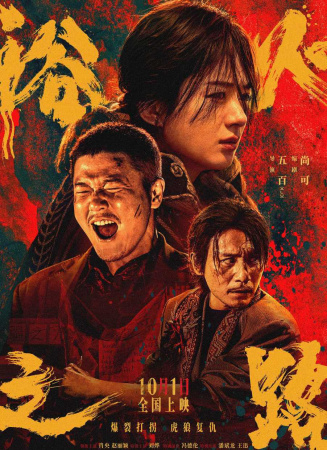 Xiao Yang as Cui Dalu
Xiao Yang perfectly captures the essence of a bottom-tier rogue. He seems carefree and uses dark humor to cope. Yet, his beast-like fury when confronting traffickers brings audiences to tears.
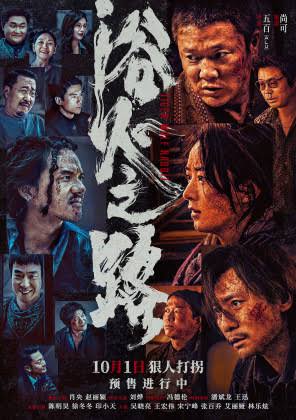 Liu Ye as Zhao Zishan
Liu Ye fully unleashes his wild side. His character is silent but incredibly lethal, serving as the muscle and the “madman” of the group. His explosive scenes with Xiao Yang are packed with raw masculine energy.
The “Predator” Chemistry
Three scarred adults, initially suspicious of each other, eventually form a life-or-death revenge alliance. This “everyone is a villain” setup doubles the thrilling satisfaction of the film.
Box Office Scandal & Long-Tail Acclaim
During its theatrical run, the Tiger Wolf Rabbit movie faced a massive “handwritten ticket” scandal. Audiences posted photos of cinemas issuing fake handwritten tickets, sometimes even misspelling the title, to steal box office revenue. Consequently, the studio issued a joint statement with seven other films condemning the practice and urging audiences to report it. Ironically, this controversy proved the film’s massive popularity and high occupancy rates.
More importantly, the film’s hardcore quality received professional validation. It won multiple awards and nominations at major ceremonies like the Changchun Film Festival, specifically recognizing its editing and the dual male leads. Furthermore, this film cemented Zhao Liying’s status as a bankable movie star capable of carrying complex, gritty realistic dramas.
Social Impact: Let the Fury Light Up the Night
The English title Tiger Wolf Rabbit carries a deep metaphor. It implies that after suffering extreme trauma, humans must shed their civilized skin and adopt the ferocity of wild animals to survive and seek revenge. However, beneath the violent exterior, the core message remains a desperate plea to end child trafficking globally.
Director Wu Bai uses visceral audiovisual language to visualize the cruelty of traffickers and the agony of broken families. Therefore, when the climactic revenge sequence concludes, audiences feel more than just the satisfaction of “evil being punished.” They feel a strong societal condemnation of trafficking crimes. This perfect blend of commercial genre thrills and painful social reality is why the film resonated so deeply.
“We are not good people. We are just parents who lost our children. To get them back, we can become monsters.”
— Thematic essence of Tiger Wolf Rabbit
More Entertainment News on Keppo.my
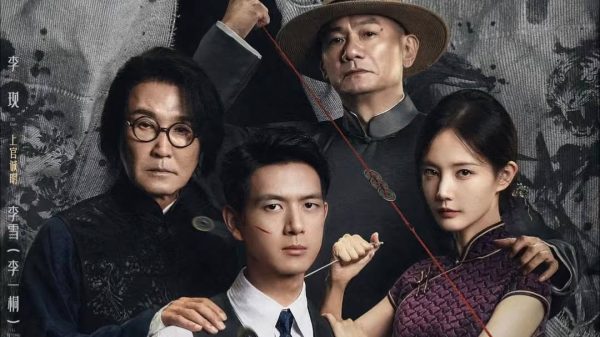
Li Xian and Li Yitong star in this gripping Republican-era con-artist suspense epic.
Anita Yuen and Elena Kong star in this dark corporate revenge thriller.
Frequently Asked Questions
Where can I watch the Tiger Wolf Rabbit movie now?
How is it different from other anti-trafficking movies?
Is Zhao Liying’s performance really that good?
What was the “ticket theft” scandal about?
Have you watched Tiger Wolf Rabbit? Whose performance shocked you the most: Zhao Liying’s fierceness, Xiao Yang’s rogue charm, or Liu Ye’s feral rage? Drop your thoughts in the comments and let’s hope for a world without trafficking!
※ This article compiles reports from Xinhua, CCTV, Sina Entertainment, Sin Chew Daily, and various film media. Streaming availability is subject to platform announcements.