





















Indonesia Wildfires Burn Out of Control: Mount Bromo Closed, Haze Chokes Malaysia & Schools Shut
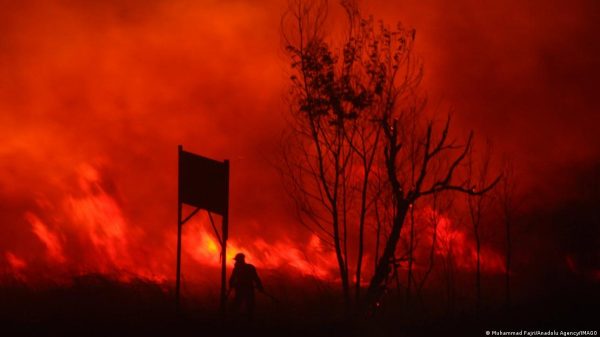
[JAKARTA/KUALA LUMPUR] A severe environmental and public health crisis is unfolding across Southeast Asia as El Niño-fueled wildfires rage out of control in Indonesia. The blazes have scorched hundreds of hectares of protected national parks and peatlands, forcing the indefinite closure of the iconic Mount Bromo to tourists and triggering mass school closures in Sumatra and Kalimantan.
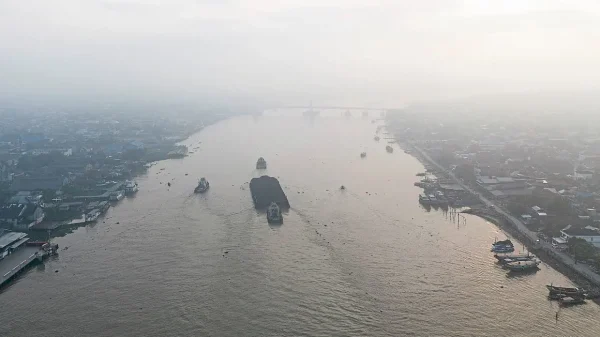
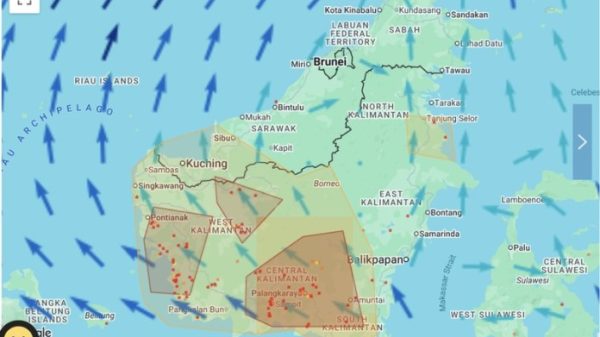
Prevailing southerly winds are now carrying thick, toxic smoke across the Malacca Strait, bringing the dreaded transboundary haze back to Malaysia—with Sarawak, Selangor, and Kuala Lumpur recording deteriorating air quality. With meteorologists warning that August and September will be the driest months, authorities are struggling to contain a crisis that threatens to echo the devastating 2015 haze disaster.

Mount Bromo & The Wildfire Crisis
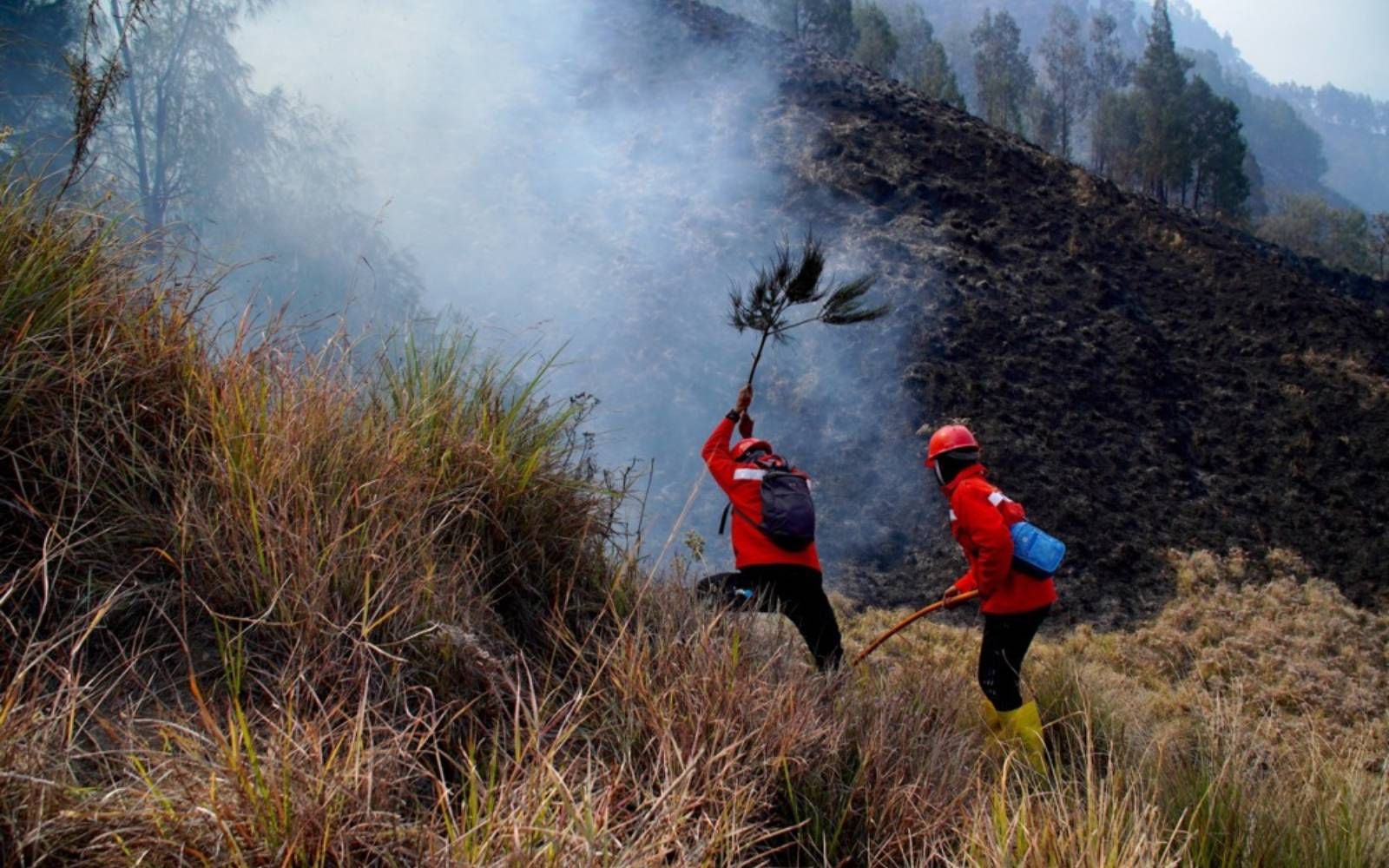
The most high-profile casualty of the current dry season is the Bromo Tengger Semeru National Park in East Java. A wildfire that ignited on August 3 has rapidly expanded, scorching over 550 hectares of dry savanna and volcanic slopes.
Authorities were forced to close all entrances to Mount Bromo—one of Indonesia’s most visited tourist destinations—on the evening of August 8. The closure remains in effect until further notice as hundreds of firefighters battle the flames.
Beyond Java, the crisis is most severe in Sumatra and Kalimantan, where illegal slash-and-burn land clearing has ignited deep peat fires. These subterranean fires are notoriously difficult to extinguish and produce massive volumes of toxic, lingering smoke.
Cross-Border Haze: Malaysia and Singapore Choke Again
The worsening situation in Indonesia has directly impacted neighboring countries. In Malaysia, the Department of Environment (DOE) has reported a sharp decline in the Air Pollutant Index (API) across multiple states.
- 🌫️ Sarawak: Borneo’s largest state is bearing the brunt of the cross-border smoke, with API readings pushing into the ‘Unhealthy’ range in several districts. Local authorities detected 25 hotspots within Malaysia, 22 of which were in Sarawak.
- 🏙️ Selangor & Kuala Lumpur: The Klang Valley has woken up to hazy skies, with southerly winds pushing the Sumatran smoke directly into the peninsula’s west coast.
- 🇸🇬 Singapore: The island nation is also bracing for impact, with the National Environment Agency (NEA) monitoring the 24-hour PSI closely as the smoke plume drifts northward.
School Closures and Public Health Warnings
The air quality in Indonesia’s hardest-hit provinces has deteriorated to hazardous levels, forcing immediate disruptions to daily life:
Dozens of schools in Riau (Sumatra) and Pontianak (West Kalimantan) have been shuttered. In one district of Riau alone, over 800 schools were ordered to close to protect children from severe respiratory distress.
Hospitals in Palembang and Jambi are reporting a surge in patients suffering from asthma attacks, eye irritation, and upper respiratory infections. Authorities have urged citizens to stay indoors and wear N95 masks.
The El Niño Factor: Why Cloud Seeding is Failing
Indonesia has deployed water-bombing helicopters and ground teams, but the ultimate weapon against haze—cloud seeding (weather modification)—has been severely handicapped.
Meteorologists explain that the intense El Niño phenomenon has suppressed the formation of rain-bearing cumulonimbus clouds over the fire zones. Without sufficient moisture in the atmosphere, cloud-seeding aircraft have no clouds to “seed,” rendering the technology largely ineffective. Experts warn that until the monsoon winds shift or natural rains return, the fires will continue to burn out of control.
Frequently Asked Questions
Why are the Indonesian wildfires happening now?
Is Mount Bromo still closed to tourists?
Which parts of Malaysia are affected by the haze?
Why aren’t authorities using cloud seeding to stop the fires?
Will schools in Malaysia close due to the haze?
Outlook: Bracing for the Peak Dry Season
Indonesia’s Meteorological, Climatological, and Geophysical Agency (BMKG) has issued a stark warning: August and September are expected to be the most critical months of the dry season. Unless regional diplomacy through the ASEAN Agreement on Transboundary Haze Pollution yields immediate enforcement against corporate fire-starters, and unless the weather breaks, the region faces weeks of toxic air ahead.
Are you experiencing the haze in Malaysia or Singapore? What is the API reading in your area today? Share your photos, health tips, and experiences in the comments below to help keep our community informed and safe.
※ This article compiles reports from Reuters, AP, The Star, SCMP, and Free Malaysia Today. Air quality conditions are highly dynamic; please refer to your local environmental authority (DOE/NEA) for real-time API updates.