




















Mount Bromo Closed to Tourists as Wildfire Expands to 520 Hectares, Fanned by Strong Winds
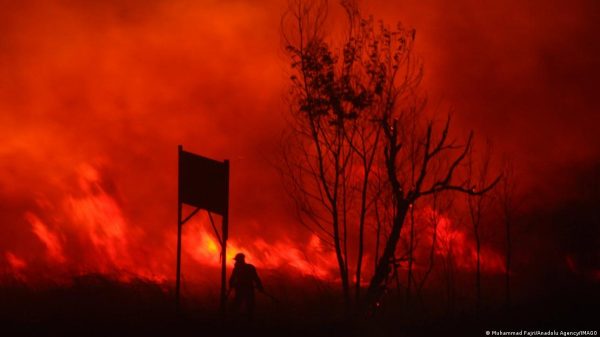
[JAKARTA] Indonesia’s iconic Mount Bromo has been completely closed to tourists as an out-of-control wildfire rapidly expands! Ignited on August 3, the blaze has surged from an initial 60 hectares to a massive 520 hectares, fueled by strong winds and extreme drought conditions linked to El Niño. The Bromo Tengger Semeru National Park (TNBTS) authority was forced to close all park entrances at 10 PM on Saturday, August 8.
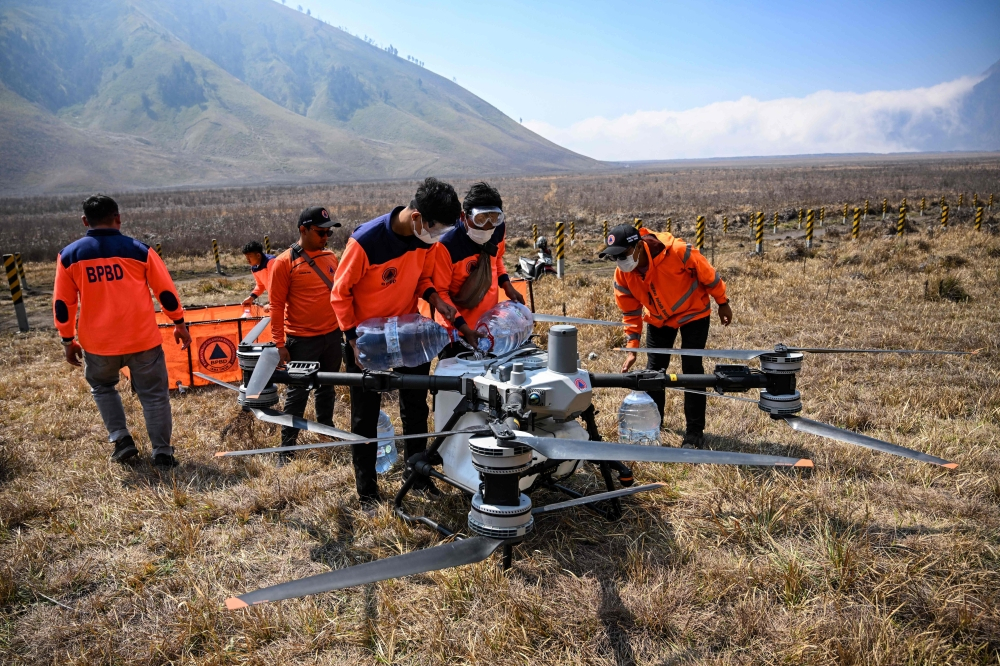
Hundreds of firefighters, park rangers, police, soldiers, and volunteers have been mobilized, alongside two water-bombing helicopters and water-spraying drones. Authorities suspect the fire was triggered by human activity and have launched an investigation. This marks the fifth wildfire at Mount Bromo in 2026, underscoring the severe threat El Niño poses to Indonesia’s forests.
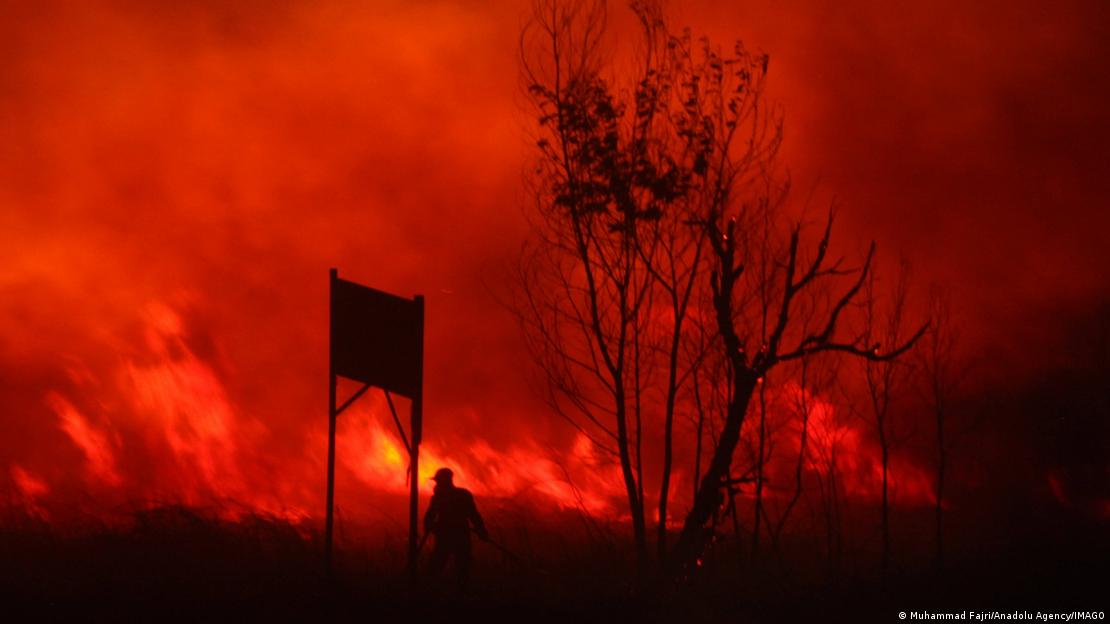
Timeline: Rapid Spread from 60 to 520 Hectares
🔥 Progression of the Blaze
- Monday, Aug 3: The wildfire ignites near Mount Bromo, initially burning about 60 hectares. The exact cause is unknown, but human activity is suspected.
- Wednesday, Aug 5: The fire expands to 70 hectares. Firefighters battle the flames in Ngadas village (Malang), but extreme dry conditions and wind make containment difficult.
- Friday, Aug 7: The burned area reaches 127 hectares. Authorities deploy two water-bombing helicopters. A fire official notes they are “very dependent on wind conditions.”
- Saturday, Aug 8 (Afternoon): Strong winds fan the flames, rapidly expanding the fire to 176 hectares. The TNBTS Authority announces the closure of all Mount Bromo entrances effective 10 PM.
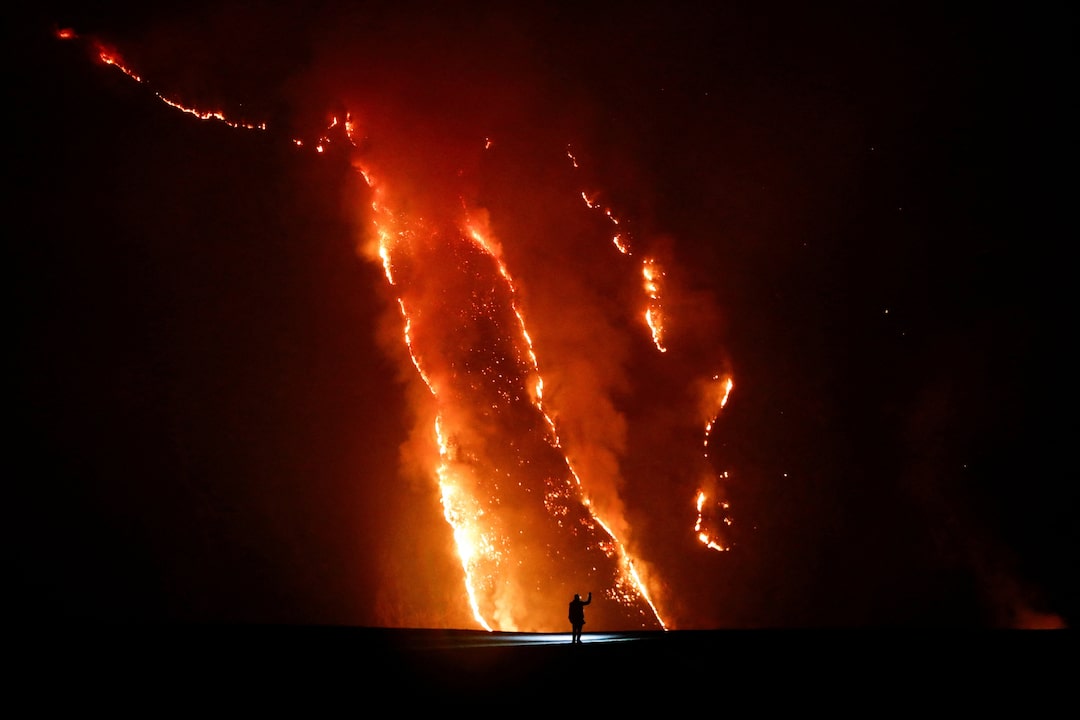
- Sunday, Aug 9: The fire surges to 520 hectares, spreading from the upper slopes down into the mountain’s savanna. Forestry Minister Raja Juli Antoni warns of strict punishment for illegal burning.
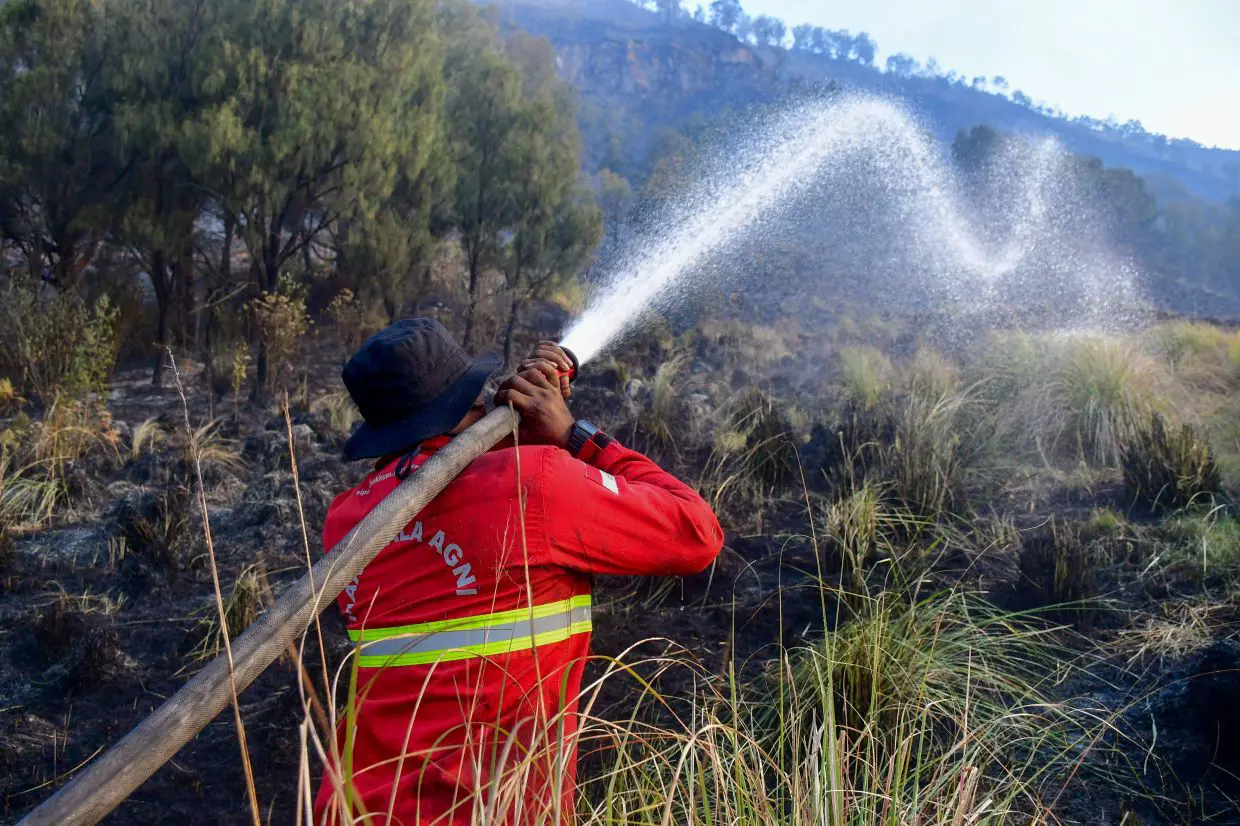
Firefighting Response: Air and Ground Coordination
Facing a rapidly spreading wildfire, Indonesian authorities have deployed a multi-layered air and ground strategy:
Two water-bombing helicopters have been deployed to drop massive volumes of water from above, the most effective method for tackling large-scale mountain fires.
The East Java Disaster Management Agency is utilizing drones equipped with water tanks for precision firefighting, especially on steep slopes and in ravines inaccessible to helicopters.
Hundreds of firefighters, park rangers, police, military personnel, and local volunteers form ground teams, using traditional tools and water pumps to contain the perimeter.
Strong winds are the biggest obstacle. Officials note they are “very dependent on wind conditions,” as gusts not only fan the flames but also cause dropped water to evaporate rapidly.
El Niño: The Hidden Driver of Extreme Drought
This wildfire outbreak is intimately linked to the El Niño weather phenomenon. Indonesia’s BMKG weather agency has warned that the 2026 dry season will be significantly more intense and prolonged than usual, drastically elevating the risk of wildfires and drought.
El Niño has severely reduced rainfall, leaving vegetation bone-dry. The TNBTS Authority head noted that dry grass and vegetation made the area highly susceptible to rapid burning.
Dry vegetation combined with strong winds created a perfect storm. On the afternoon of Aug 8, gusts pushed the flames from the upper slopes down into the savanna, causing the burned area to nearly triple overnight.
This is the fifth wildfire at Mount Bromo in 2026, highlighting the chronic threat climate change poses to Indonesia’s forest ecosystems and making long-term ecological recovery difficult.
Mount Bromo suffered a devastating fire in 2023 when a couple lit a flare during a pre-wedding photo shoot, destroying over 500 hectares. The current blaze is rapidly approaching that scale.
Tourism Impact: Total Closure, Refunds Offered
Mount Bromo, famed for its spectacular “Sea of Sand” caldera and sunrise views, is one of Indonesia’s most visited destinations. The closure has significant economic and logistical impacts:
- 🚫 Total Closure: The TNBTS Authority closed all entrances from 10 PM on Aug 8 until further notice. The reopening date remains undetermined, pending firefighting progress and safety assessments.
- 🎫 Tourist Arrangements: Visitors who have already purchased entrance tickets are offered the option to reschedule their visits or seek a full refund. Notifications were issued via the park’s official Instagram page.
- ⚠️ Safety First: The park operator stated the closure is a “crucial step to maintain safety of visitors, staff, and people in the surrounding areas.”
- 📉 Economic Toll: Mount Bromo attracts hundreds of thousands of domestic and international tourists annually; the indefinite closure will severely impact the local tourism economy.
Investigation Underway: Human Activity Suspected
While authorities have not officially declared the exact cause, the TNBTS Authority stated on Friday that the fire is suspected to have been caused by human activity.
Indonesian Forestry Minister Raja Juli Antoni confirmed that the investigation has been handed over to law enforcement. He issued a stern warning:
“Anyone who carries out forest and land burning will receive the appropriate punishment.”
This statement reflects a zero-tolerance policy toward arson or negligent fire-starting. The 2023 disaster, caused by a tourist lighting a flare for photos, serves as a grim reminder of the ecological and economic damage human negligence can cause.
Frequently Asked Questions
How much area has the Mount Bromo wildfire burned?
When was Mount Bromo closed, and when will it reopen?
What caused the wildfire?
How many personnel are fighting the fire, and what equipment is used?
Is this related to El Niño? How many fires have occurred in 2026?
What should tourists with booked tickets do?
Outlook: A Long-Term Challenge Under El Niño
As El Niño continues to grip Indonesia, the wildfire threat to Mount Bromo is likely to persist long-term. Authorities must adopt more aggressive preventive measures:
- ✅ Enhanced Monitoring: Increase patrol frequency during the dry season to detect and extinguish initial sparks immediately.
- ✅ Tourist Education: Strictly enforce fire bans and educate visitors on the severe consequences of negligence.
- ✅ Emergency Readiness: Maintain and upgrade firefighting equipment and personnel for rapid response.
- ✅ Ecological Restoration: Initiate immediate vegetation recovery post-fire to prevent long-term ecosystem degradation.
How should Indonesian authorities better protect Mount Bromo from recurring wildfires? What responsibility should tourists bear? Share your views and suggestions in the comments below.
※ This article compiles reports from Reuters, CNA, The Star, Malay Mail, and DW. The fire situation is highly dynamic; please refer to official Indonesian authorities for the latest updates. This page will be updated as new developments emerge.