















Kumamoto Aeon Mall Blast: Two Workers Who Had Already Escaped Were Ordered Back Inside to Secure the Cash — the Company Now Admits the Order Was Wrong
TOKYO — They had already made it out alive. After the M7.1 earthquake that struck Kumamoto on July 28, a massive explosion ripped through Aeon Mall Kumamoto in Kashima, killing seven — among them two young female employees who had safely evacuated, but were ordered back inside to secure the day’s cash.
In the past 48 hours, variety-store chain Habita has apologised at a victim’s wake, handed over a written account, and publicly admitted the instruction was “inappropriate”. One line — “Looking back now, it was not worth a life” — has turned a natural disaster into a national reckoning over workplace safety.
“They Had Already Made It Out”: The Fatal Hour
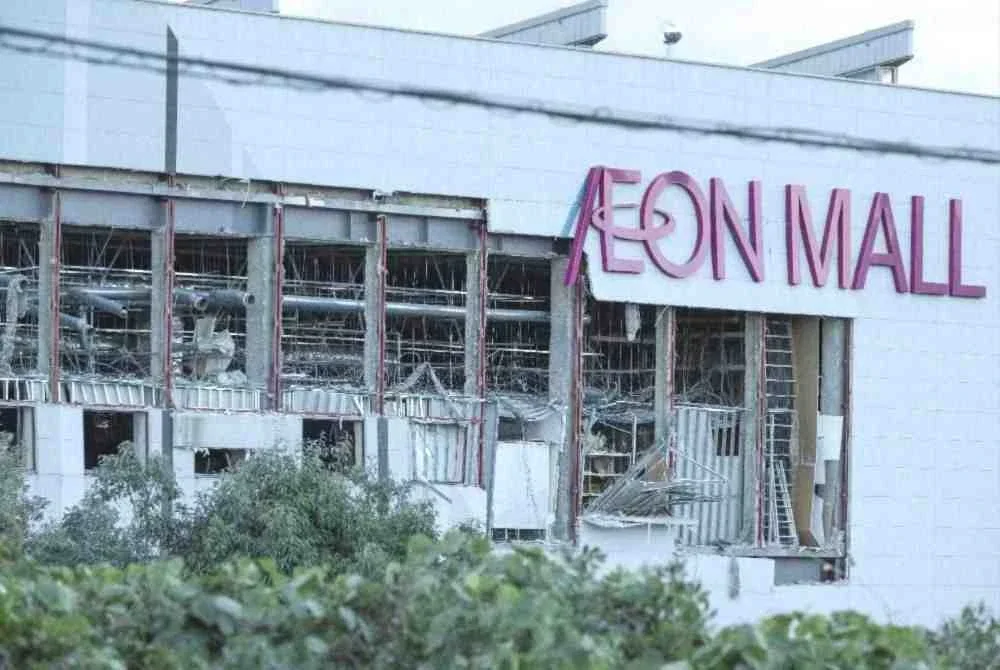
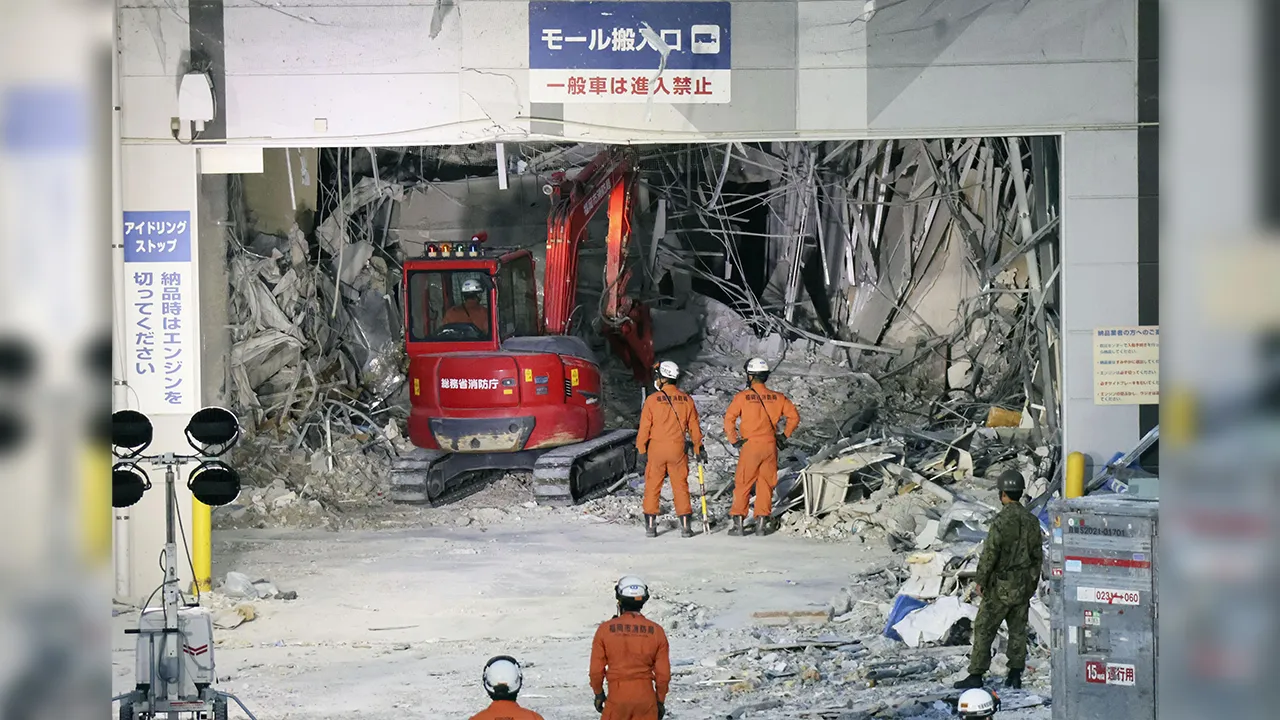
On July 28, the M7.1 temblor — registering up to 7, the maximum on Japan’s seismic intensity scale — sent thousands of shoppers and staff streaming out of the mall, witnesses watching “like volcanic ash falling” inside the building. Then, at around 5.50pm, a massive explosion ripped through Aeon Mall Kumamoto, believed to have been triggered by a gas leak after the quake. Seven people died.
Among the dead were two employees of the variety store Habita — Kurumi Otake, 22, and a colleague. Both had initially evacuated with everyone else, but were later seen re-entering the building. At a press conference on July 29, Aeon Co. said it was unclear why they had been inside.
- M7.1 quake hits Kumamoto; blast at Aeon Mall Kumamoto at about 5.50pm; seven killed.
- Aeon press conference: unclear why the two women were inside; aerial shots show severe damage.
- Search dogs and firefighters comb the rubble; flowers appear at the parking lot; rescue ends Aug 1.
- Two Habita executives attend Kurumi Otake’s wake, apologise in person and hand over a written account.
- Kyodo News and others report the employer admitted the re-entry instruction; the sales manager apologises publicly.
The Admission: A Sales Manager’s Order, and a Wake-Time Apology
On Aug 4, Koji Yuse, 64, sales manager at Kumamoto-based Habita, told reporters he had instructed the store manager to have the two employees re-enter the building and move the day’s sales proceeds from the second-floor store to a safe on the first floor.
I think the order was inappropriate. I deeply regret it. … Looking back now, it was not worth a life. — Koji Yuse, sales manager, Habita Inc.
At the wake on Aug 2, Habita executives apologised to Otake’s mother and handed over a written account of events. In tears, the mother said only: “(My daughter) isn’t coming back.” A male relative recalled that Otake “had a strong sense of responsibility” — and that barely three months earlier, the family “had just been joking around laughing” at a gathering. Habita, founded in 1976, operates more than 10 stores across Kyushu.
The tragedy has reignited scrutiny over workplace safety and employer responsibility in Japan: after a disaster, who has the authority to order staff back into a damaged building — and is “protecting cash” ever a lawful instruction?
The Wider Quake: 38 Dead, 8,000 in Shelters
Kumamoto Prefecture’s latest tally: 36 people confirmed dead as a direct result of the earthquake, with two more deaths still under investigation — a total of 38. More than 4,600 buildings were damaged, and over 8,000 people remain in 206 evacuation shelters. The Japanese government has moved to draw more than 20 billion yen from reserve funds. In the sweltering heat, “shelter life” and “secondary disasters” are Kumamoto’s heaviest words.
After the Disaster, Who Decides When It’s Safe to Go Back?
What stings most about this blast is that it was not the earthquake that killed them — it was an order. Under Japan’s labour safety framework, employers carry a duty of care; post-disaster re-entry should be judged by professional inspection and official assessment, not by commercial considerations. When “putting today’s sales in the safe” becomes the reason to walk back in, the most dutiful employees become the easiest to sacrifice. As Otake’s relative put it: she was not disobedient — precisely because she was too dutiful, she did not come back.
Aeon Mall Kumamoto Blast: Quick FAQ
When and where did the explosion happen?
Why were evacuated workers back inside?
What is the death toll?
How has the company responded?
What is the wider quake situation?
The Bottom Line: Cash Can Be Counted Again
The money in the safe can be counted again tomorrow. Kurumi Otake, 22, cannot come back. Habita’s apology is a necessary first step — but the public is asking for more than a bow: who gave the order, why nobody said no, and what will prevent the next one.
After a disaster, should an employer ever have the right to order staff back into a damaged building to protect property? If you had been the store manager, would you have carried out the order? Share your view — respectfully — in the comments.
※ Photos courtesy of AFP and AP. This page will be updated as the investigation develops (labour-authority review, company disciplinary actions, compensation).