

























How to Keep Eggs Safe from Salmonella: UK Outbreak Sparks Global Warning
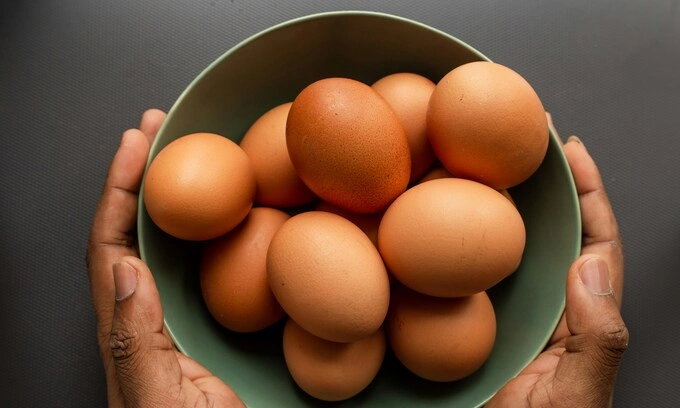
[HEALTH NEWS] Eggs are a daily dietary staple. However, improper handling brings severe health risks. Recently, a major UK salmonella outbreak left over 200 people ill and one dead. Health officials linked the crisis to imported eggs used in restaurants. Therefore, knowing how to keep eggs safe from salmonella is now a global priority.
Furthermore, the CDC and FDA emphasize that proper storage and cooking drastically reduce infection risks. By following a few expert rules, you can easily protect your family.
The UKHSA warns that vulnerable groups must avoid runny or undercooked eggs when dining out!
The UK Salmonella Outbreak: Imported Eggs Under Scrutiny
In August 2026, the UK declared a national Salmonella Enteritidis outbreak. The BMJ and BBC reported 207 infections and one death. Officials traced the source to cafes and restaurants using imported eggs. Consequently, the UK Health Security Agency (UKHSA) issued an urgent alert.
Currently, there is no link to UK-produced eggs. Thus, authorities strongly advise the elderly, pregnant women, and immunocompromised individuals to avoid runny eggs when eating out.
4 Expert Rules to Keep Eggs Safe from Salmonella
Whether cooking at home or dining out, correct handling is vital. The FDA and food safety experts recommend four core steps to prevent foodborne illness:
Refrigerate eggs immediately at 4°C (40°F) or colder. Store them in the main body of the fridge, not on the door, to maintain a stable temperature.
Heat destroys salmonella. Cook eggs until both the yolk and white are firm. High-risk groups must never eat raw or undercooked eggs.
Wash your hands, utensils, and countertops with hot soapy water after touching raw eggs. Never let raw egg batter cross-contaminate ready-to-eat foods.
Inspect shells before buying and cooking. If an egg is cracked or dirty, bacteria can easily enter. Therefore, throw it away immediately.
Common Myth: Does Washing Eggs Kill Bacteria?
Many people wash eggs before storing them. However, this is a dangerous kitchen mistake. Water actually pushes surface bacteria through the shell’s microscopic pores into the egg. Thus, you should never wash store-bought eggs. Just refrigerate them and cook them thoroughly.
More News & Entertainment on Keppo.my
RON97 and diesel prices rise. Check the latest rates and fuel-saving tips here.
Dissy’s third CNY movie starts filming! Mark Lee produces and Morn Liew directs.
Frequently Asked Questions
What are the symptoms of salmonella infection?
How do I keep eggs safe from salmonella at home?
Are runny eggs safe to eat?
Is the UK outbreak linked to local eggs?
Do you wash your eggs before putting them in the fridge? Do you prefer firm yolks or runny eggs? Share your kitchen habits in the comments below and let’s discuss food safety!
※ This article compiles reports from the BBC, The Guardian, VnExpress, FDA, and CDC. Please refer to official health department guidelines for the latest food safety advice.