























Latest IPU Readings in Kuching: Multiple Areas in Sarawak Hit ‘Unhealthy’ Levels as Transboundary Haze Worsens
As of 12 PM on August 9, 8 to 9 monitoring stations in Sarawak recorded Unhealthy API (IPU) levels. Kuching and Serian are the hardest-hit areas.
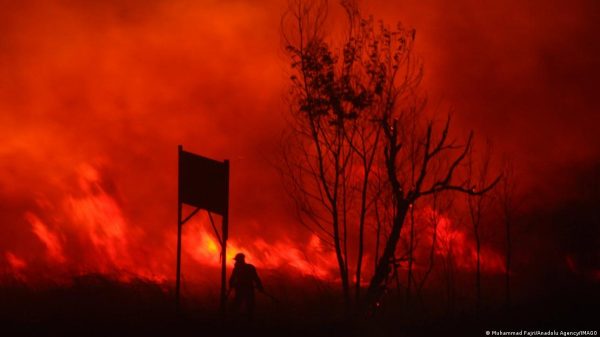
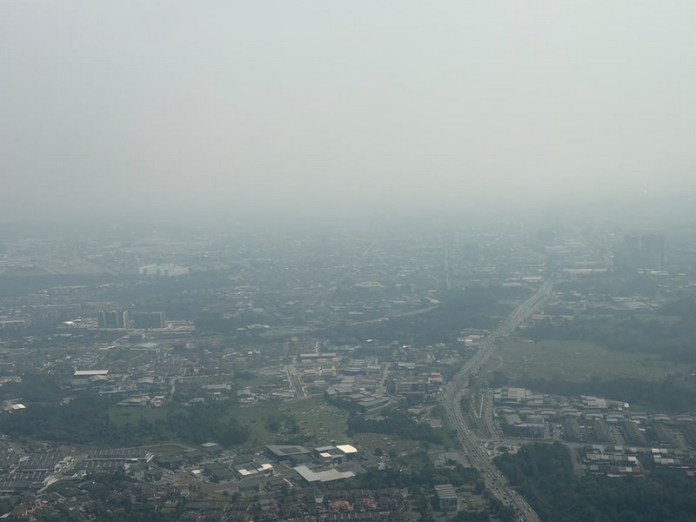
[KUCHING] Sarawak is currently grappling with a severe transboundary haze crisis. According to the latest data from the Malaysian Meteorological Department (MetMalaysia) and the Sarawak Natural Resources and Environment Board (NREB), up to 9 monitoring stations across the state have recorded Unhealthy Air Pollutant Index (API/IPU) readings as of August 9.
Kuching and Serian are bearing the brunt of the haze, with Serian recording the highest readings in the state. Authorities are urging the public to limit outdoor activities, especially vulnerable groups such as the elderly, children, and those with respiratory conditions.
Latest IPU / API Readings (As of Aug 9)
Based on multiple official data sources (including AQICN, MetMalaysia, and NREB), here are the latest Air Pollutant Index (API/IPU) readings for major areas in Sarawak:
| Monitoring Station / Area | API Reading | Air Quality Status |
|---|---|---|
| Serian | Highest | Unhealthy |
| Kuching | Unhealthy Range | Unhealthy |
| Samarahan | Unhealthy Range | Unhealthy |
| Other Affected Areas | Unhealthy Range | Unhealthy |
*Note: API (Air Pollutant Index) and IPU (Indeks Pencemaran Udara) are the exact same metric. Readings of 101-200 are ‘Unhealthy’, 201-300 are ‘Very Unhealthy’, and above 300 are ‘Hazardous’.
Causes of the Haze: Transboundary Smoke & Local Hotspots
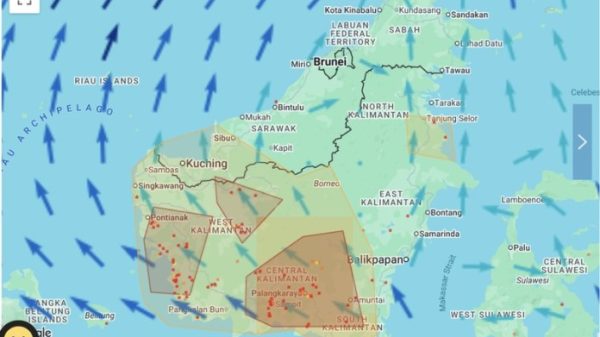
The haze in Sarawak primarily originates from slash-and-burn agricultural practices in Kalimantan, Indonesia. Prevailing winds carry the smoke across the border, drastically worsening air quality.
August marks the dry season in Sarawak. Reduced rainfall means suspended particulate matter (PM2.5 and PM10) is not washed out of the air, prolonging the haze episodes.
In addition to transboundary smoke, local hotspots have been detected within Sarawak, mainly stemming from illegal open burning and forest fires.
Current low wind speeds hinder the dispersion of smoke. Combined with winds blowing consistently from the Indonesian direction, the haze remains trapped over the state.
Health Risks & Protective Measures
Unhealthy API readings (101-200) have a direct impact on human health, particularly for the following high-risk groups:
- ⚠️ Children and the Elderly: Immune and respiratory systems are either still developing or declining.
- ⚠️ Asthma Patients: High risk of triggering severe asthma attacks.
- ⚠️ Heart Patients: Air pollution increases cardiovascular strain.
- ⚠️ Pregnant Women: Prolonged exposure can affect fetal development.
- ⚠️ Outdoor Workers: Prolonged exposure to polluted air without adequate protection.
Always wear an N95 or equivalent mask when going outdoors. Standard surgical masks cannot effectively filter harmful PM2.5 particles.
Avoid strenuous outdoor exercises, especially during the early morning and late evening when haze concentrations peak.
Keep doors and windows tightly shut. Use HEPA air purifiers indoors if available to improve indoor air quality.
Drink plenty of water to help your body flush out toxins. Seek medical attention immediately if you experience breathing difficulties.
Government Response & Mitigation
The Sarawak State Government and federal agencies have activated the following measures to combat the haze:
- ✅ 24/7 Monitoring: MetMalaysia and NREB are continuously monitoring API readings across all stations.
- ✅ Hotspot Surveillance: The Fire and Rescue Department (Bomba) has intensified aerial and ground patrols to detect and extinguish local hotspots.
- ✅ Cloud Seeding: Authorities are considering cloud seeding operations if weather conditions permit.
- ✅ Public Alerts: Continuous health advisories are being broadcast via social media, radio, and television.
- ✅ School Closures: The Education Department is on standby to announce school closures if API readings reach the ‘Very Unhealthy’ (201-300) threshold or above.
Historical Context of Sarawak’s Haze
The haze issue in Sarawak is not unprecedented. The most severe episode occurred in 2015, when API readings in several areas exceeded 300 (Hazardous), forcing statewide school closures and sending thousands to hospitals with respiratory illnesses.
Since then, the Sarawak government has strengthened cooperation with Kalimantan provinces under the ASEAN Agreement on Transboundary Haze Pollution. However, because slash-and-burn practices are difficult to eradicate completely, Sarawak continues to face varying degrees of haze threat every dry season.
Frequently Asked Questions
What is the difference between API, IPU, and AQI?
What are the current IPU readings for Kuching and Serian?
How long will the haze last?
Will schools be closed?
How can I check the latest IPU readings?
Practical Tips for Sarawak Residents
- ✅ Check Daily: Check the API before leaving the house. If it’s above 150, consider postponing outdoor plans.
- ✅ Stock Up on N95s: Ensure you have enough N95 masks at home, especially for vulnerable family members.
- ✅ Use Air Purifiers: Run HEPA-filter air purifiers at home or in the office to create a safe indoor environment.
- ✅ Follow Official Channels: Stay tuned to the Sarawak State Disaster Management Committee (JPBN) and the Education Department for emergency directives.
- ✅ Share Accurate Info: Share verified air quality updates on social media to help friends and family stay safe.
What is the IPU reading in your area today? How is the haze affecting your daily life in Sarawak? Share your observations and protection tips in the comments to help fellow residents.
※ This article compiles reports from Dayak Daily, Utusan Borneo, Berita Harian, Malaysia Gazette, and Astro AWANI. API readings update hourly; please refer to official MetMalaysia and NREB data for real-time accuracy.








ph365jili
August 29, 2026 at 1:25 pm
I’ve tried many platforms but this one is really smooth. The games load fast and the payouts are fair. Highly recommend ph365jili to everyone!